
The Top 5 Mistakes Small Businesses Make with Pay-Per-Click Advertising

The Dos and Donts of Crafting a Successful Social Media Strategy for E-commerce
October 31, 2023
Automated Test Result to Improve Accessibility
November 1, 2023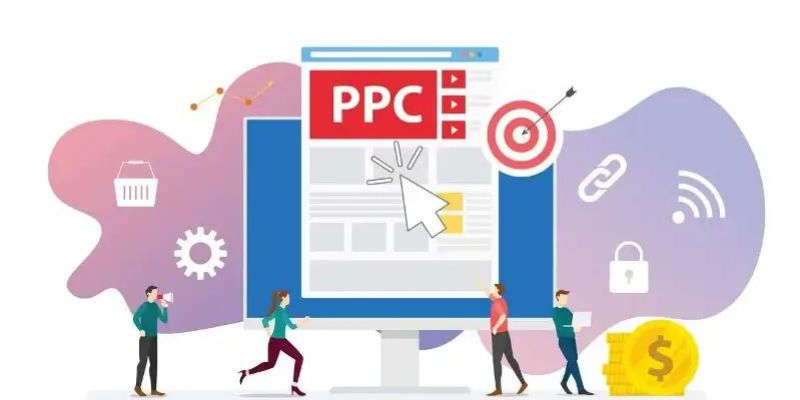
Pay-per-click
(PPC) advertising can be a highly effective marketing strategy for small
businesses, providing a quick and measurable way to drive targeted traffic to
their websites.
However, many
small businesses make costly mistakes that hinder the success of their PPC
campaigns. From failing to define clear goals and target audiences to paying
attention to mobile and local advertising opportunities, these errors can
result in wasted budgets and missed opportunities.
In this article,
we will explore the top five mistakes that small businesses often make with PPC
advertising, and provide insights on how to avoid them. By understanding these
common pitfalls and implementing best practices, small businesses can maximize
the effectiveness of their PPC campaigns and achieve their desired results.
Lack
of Clear Goals and Target Audience
Not
Defining Clear Campaign Objectives
When it comes to pay-per-click
advertising, small businesses often jump in without a clear plan. It’s like
driving without knowing your destination. Without defined objectives, you’re
just throwing money at random ads and hoping for the best. Take a moment to
identify what you want to achieve with your campaign, whether it’s increasing
brand awareness or driving sales.
Failing to Identify Ideal Target
Audience
Imagine trying to sell snowboards to
people who hate the cold. It’s a waste of time and resources. Many small
businesses make the mistake of not understanding their target audience before
launching a pay-per-click campaign. By identifying your ideal customer, you can
tailor your ads to their interests, needs, and demographics. This increases the
chances of conversion and ensures you’re not wasting money on irrelevant
clicks.
Poor
Keyword Research and Selection
Neglecting
Thorough Keyword Research
Choosing the right keywords is the
foundation of a successful pay-per-click campaign. However, small businesses
often rush through this step or rely solely on their intuition. Without
thorough keyword research, you risk targeting irrelevant or highly competitive
keywords that drain your budget. Take the time to understand what your audience
is searching for and use tools to uncover valuable keywords.
Overlooking
Long-Tail Keywords
Long-tail keywords are like hidden gems
in the vast landscape of search queries. They may not have a high search
volume, but they often have less competition and a higher likelihood of
conversion. Small businesses often overlook these longer, more specific phrases
in favor of broader keywords. By incorporating relevant long-tail keywords into
your campaign, you can attract a more targeted audience and increase the
chances of conversion.
Ineffective
Ad Copy and Landing Pages
Crafting
Compelling Ad Copy
Unfortunately, small businesses often
underestimate the power of persuasive and concise ad copy. They end up with
generic, uninspiring ads that fail to catch the attention of users. Take the
time to craft compelling ad copy that clearly communicates your unique selling
proposition and entices users to click on your ad.
Creating
Relevant and Engaging Landing Pages
Imagine clicking on an ad promising a
discount, only to be taken to a landing page that has nothing to do with the
offer. It’s like being left stranded in the middle of nowhere. Small businesses
often neglect the importance of aligning their landing pages with their ads.
Your landing pages should be relevant, and engaging, and seamlessly guide users
toward taking the desired action. Make sure your landing pages have compelling
headlines, clear visuals, and a strong call to action.
Insufficient
Monitoring and Optimization
Lack
of Regular Performance Monitoring
Launching a pay-per-click campaign is not
a “set it and forget it” endeavor. Many small businesses make the
mistake of not monitoring their campaign’s performance regularly. Without
tracking your metrics, you won’t know what’s working and what’s not. Make it a
habit to analyze key performance indicators like click-through rates,
conversion rates, and cost per click. By regularly monitoring your campaign,
you can make data-driven decisions and adjust your strategy accordingly.
Failure
to Continuously Optimize Campaigns
Optimization is the secret sauce to a
successful pay-per-click campaign. Unfortunately, small businesses often
neglect this crucial step. By analyzing your data and making adjustments, you
can improve the performance of your ads and maximize your return on investment.
Experiment with different ad variations, test new keywords and optimize your
landing pages to improve your campaign’s effectiveness over time. Remember, the
digital landscape is ever-changing, so continuous optimization is key to
staying ahead.
Neglecting
Mobile and Local Advertising
Ignoring
Mobile Responsiveness and Optimization
Our smartphones are like our trusty
sidekicks, always by our side, ready to assist us with anything and everything.
So why do some small businesses still ignore the potential of mobile
advertising? It’s like leaving your sidekick out in the cold while you embark
on a daring adventure alone.
Ignoring mobile responsiveness and
optimization is a big no-no when it comes to pay-per-click (PPC) advertising.
If your website isn’t mobile-friendly, you’re basically telling potential
customers to take their business elsewhere. Nobody wants to struggle with a
website that looks straight out of the dial-up era on their shiny smartphone.
So, take the time to make your website
responsive and easy to navigate on mobile devices. Optimize your landing pages
for mobile so that your PPC ads lead to a seamless user experience. Remember,
happy users mean more clicks and conversions!
Overlooking
Local Targeting Opportunities
Ah, the beauty of local advertising. It’s
like having a secret weapon that allows you to target customers in your
immediate vicinity. But for some reason, many small businesses seem to overlook
this golden opportunity.
If you have a physical store or provide
services in a specific area, local targeting can be a game-changer for your PPC
campaigns. For instance, a coffee shop in Seattle would benefit greatly from
targeting users searching for “best coffee in Seattle” or “coffee
shops near me.” It’s all about reaching the right people at the right
time, and local targeting gives you the power to do just that.
Don’t let this treasure trove of
potential customers go unnoticed. Embrace local targeting in your PPC strategy
and watch your small business soar to new heights. And hey, maybe you’ll even
become the talk of the town!
In conclusion, avoiding these common
mistakes in pay-per-click advertising can make a significant difference in the
success of small businesses. By setting clear goals, conducting thorough
keyword research, optimizing ad copy and landing pages, regularly monitoring
and optimizing campaigns, and embracing mobile and local advertising
opportunities, small businesses can enhance their PPC strategies and achieve
better results.
With a well-executed PPC campaign, small
businesses can effectively reach their target audience, drive more traffic to
their websites, and ultimately, boost their overall business growth and
success.
 Published by user on December 2, 2023
Title: Navigating the Digital Wilderness: Crafting Your Bug Tracking System for Mobile Development
 Published by user on October 31, 2023
The Dos and Donts of Crafting a Successful Social Media Strategy for E-commerce
 Published by user on November 20, 2023
Link Building 101: How to Increase Your Website Authority in 7 Steps
